


Whether running a household or managing industrial operations, our demand for electricity is skyrocketing. In today’s digital world, almost every aspect of our lives revolves around power. However, as our usage goes up (so does the monthly bill) often becoming a significant financial burden.
To keep your finances in check, it is crucial to understand the details behind the electricity price per kWh. Knowing exactly what you are paying for allows you to manage your energy habits wiser, spot unreasonable spikes in your bill, and plan for better energy efficiency in the long run.
What is the Electricity Tariff per kWh?
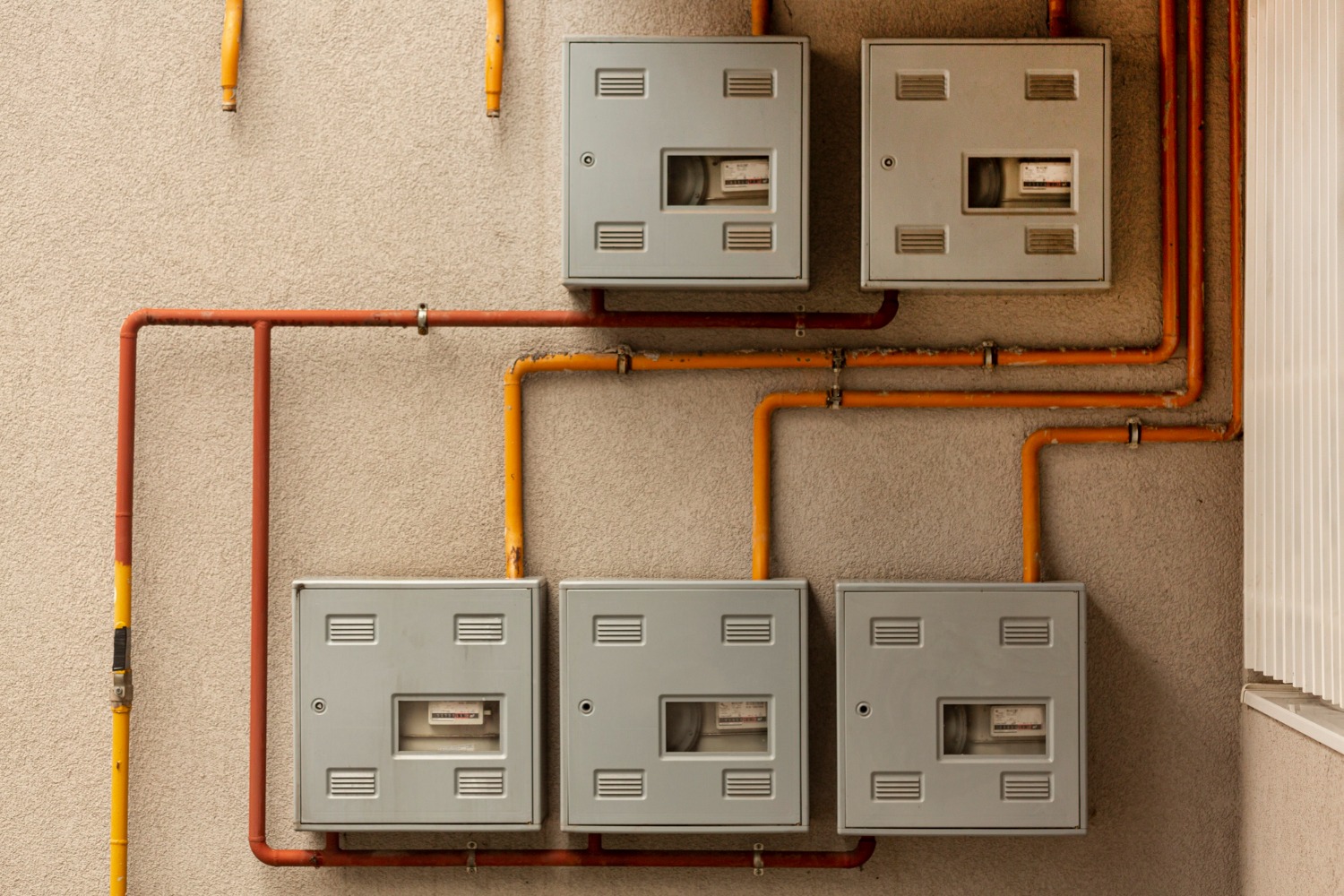
Before discussing the nominal figures, it is important to understand the basic unit in your electricity bill. kWh stands for kilowatt-hour. This is the unit used to measure the amount of electrical energy you use in one hour.
Simply put, the electricity tariff per kWh is the price or cost charged by the service provider (in this case, PT PLN Persero) for every single unit of kilowatt-hour you consume. If you run an electronic device with a power of 1,000 watts for a full hour, you have used 1 kWh of electricity. The higher the base tariff, the larger the bill you must pay at the end of the month.
Factors Influencing Electricity Rates per kWh
The Indonesian Government, through the Ministry of Energy and Mineral Resources (ESDM), applies a Tariff Adjustment system for non-subsidized groups. This means that electricity tariffs can change at any time based on macroeconomic factors. These tariff adjustments are typically evaluated every three months.
Based on official regulations, here are the four main factors influencing price fluctuations:
- Rupiah Exchange Rate against the US Dollar: Considering a portion of global energy transactions uses foreign currency.
- Indonesian Crude Price (ICP): The price of Indonesian crude oil affects the cost of fuel for power plants.
- Inflation: The national inflation rate influences the operational costs of electricity provision.
- Indonesian Coal Index (IDI): As the primary fuel for the majority of power plants in Indonesia.
Electricity Tariff Trends in Indonesia
Based on historical data from the energy sector, there are two undeniable facts: our electricity consumption continues to rise and electricity tariffs also experience spikes.
Data shows that electricity consumption per capita in Indonesia increases every year, even when electricity prices undergo upward adjustments. This proves that electricity has become an absolute necessity, creating a high dependency within society.
On the other hand, in recent years, the trend for electricity rates per kWh has tended to continuously increase for non-subsidized groups. Although the government often holds tariffs steady to maintain people’s purchasing power, the Basic Cost of Electricity Supply (BPP) actually continues to move up.
For reference, here are the details of the electricity tariffs (non-subsidized) applicable for the period of late 2024 to early 2025 (based on the Quarter IV 2024 determination):
- Category R-1/TR (900 VA – RTM): Rp1,352 per kWh.
- Category R-1/TR (1,300 VA) to R-2/TR (5,500 VA): Rp1,444.70 per kWh.
- Category R-3/TR (6,600 VA and above): Rp1,699.53 per kWh.
- Business & Medium Industry Category (B-2 & I-3): Rp1,444.70 per kWh.
This tariff trend is predicted to remain challenging in the future as fossil energy reserves deplete and production costs rise.
The Solution to Save Electricity: Go Solar
Seeing the dynamic trend of electricity prices per kWh, relying on savings by simply “turning off the lights” is often not enough. The most effective solution to suppress long-term electricity costs is to produce your own energy.
Solar energy, through the installation of Rooftop Solar Power Plants (PLTS), is the most logical answer. Here is why:
- Reduce Dependency: Solar panel systems generate electricity during the day, so you don’t need to draw full power from PLN.
- Long-Term Investment: Solar panels have a lifespan of up to 25 years or more, providing protection against basic electricity tariff (TDL) hikes in the future.
- Integrated Solution: ATW Solar is here to offer end-to-end solar power solutions for homes, businesses, and industries.
Want to know more secrets to slashing your utility bills? Read more here.
Future-Proof Your Bills with ATW Solar
Electricity rates per kWh will likely continue to fluctuate with the global economy. However, as a smart consumer, you have the power to take control.
Switching to renewable energy isn’t just about going green, it’s a smart financial move to protect yourself from rising costs.
Ready to see a lower electricity bill next month? Don’t wait for another rate hike. Contact ATW Solar today for a free consultation and see how much you can save!

