

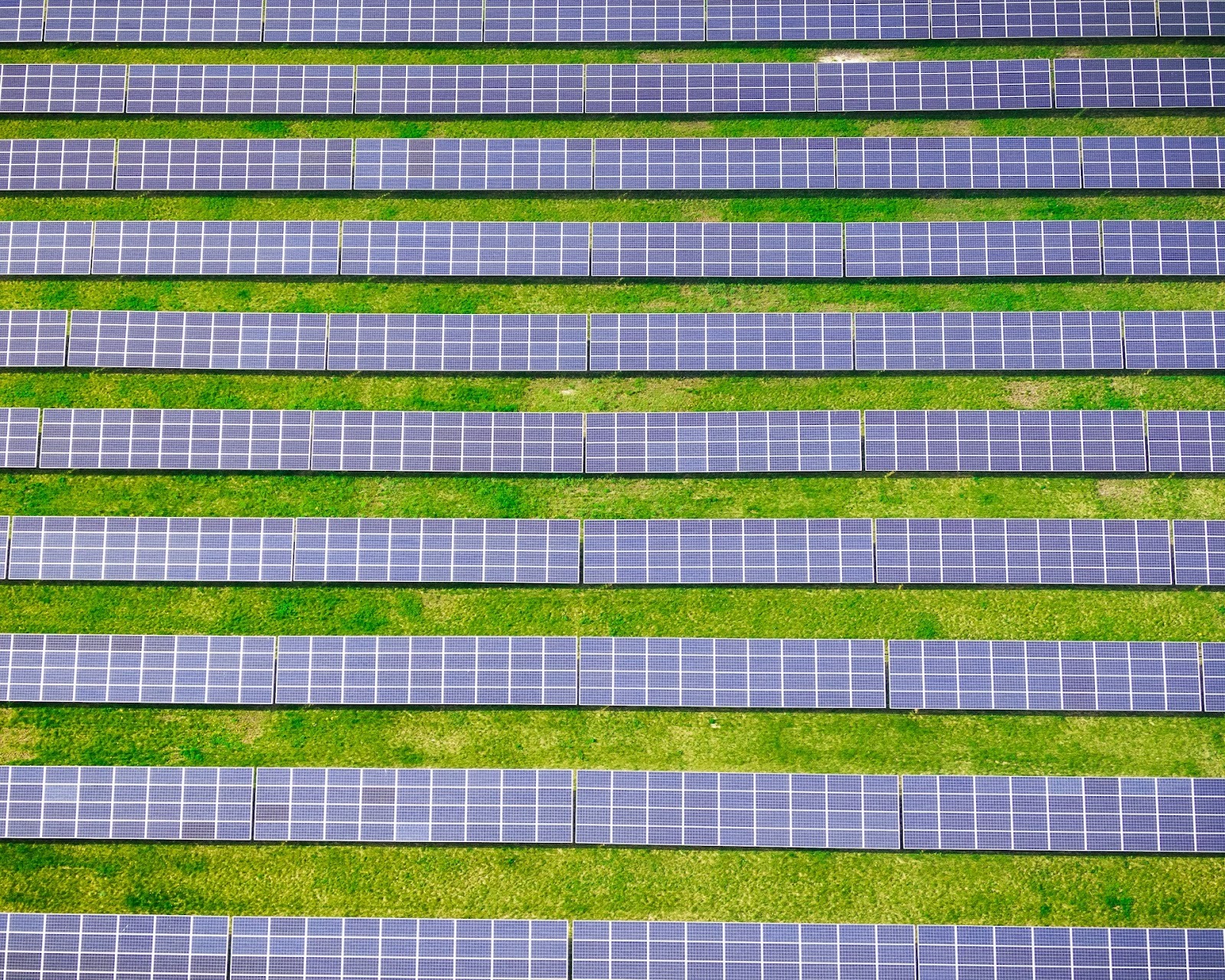
Renewable energy is no longer just an environmental trend. It has evolved into a modern lifestyle necessity, especially as electricity rates continue to climb. Among the various options, solar power has emerged as the most popular alternative. This shift is evident in the growing number of solar panels appearing on residential rooftops and commercial buildings alike.
As this trend grows, so does public curiosity about solar photovoltaic technology. People are increasingly asking what exactly it is, how it functions, and why it is considered such an efficient long term energy investment.
However, achieving true energy efficiency requires more than just placing modules on a roof. System safety and peak power performance depend heavily on professional planning and high quality installation. This is where ATW Solar steps in, providing reliable solar energy solutions backed by industry leading standards.
Before we dive into the benefits, let’s break down how this technology actually works!
Photovoltaics: The Heart of Solar Energy
In literal terms, photovoltaic (PV) refers to a technology that converts sunlight directly into electricity. The name is derived from the word “photo,” meaning light, and “voltaic,” which refers to electric voltage.
This conversion is made possible through semiconductor materials, most commonly silicon. According to data from the National Renewable Energy Laboratory (NREL), the efficiency of silicon-based PV cells has improved significantly over the years. Today, commercial panels typically reach efficiency rates between 17% and 22%.
Essentially, every time you see those blue or black panels on a rooftop, you are looking at a photovoltaic system working hard to harvest energy from the sky.
How Solar Photovoltaics Work Daily
At first glance, solar panels might look like passive objects just sitting in the sun. However, beneath the surface, a sophisticated energy conversion process is constantly at work. This mechanism is known as the photovoltaic effect, a process detailed by the U.S. Energy Information Administration (EIA).
1. Absorbing Sunlight
The process begins when sunlight strikes the panel. Light particles, known as photons, are absorbed by the photovoltaic cells, which are crafted from specialized semiconductor materials.
2. The Movement of Electrons
The energy from these photons “excites” the electrons within the cells, causing them to move. This flow of moving electrons creates an electrical current in the form of direct current (DC).
3. Conversion for Daily Use
Since standard household appliances and electronics run on alternating current (AC), the system relies on a crucial component called an inverter. The inverter transforms the DC electricity into AC, making the energy harvested from your roof instantly ready to power your home.
Different Types of Photovoltaic Technology
Solar panels are not a “one size fits all” product. The market offers several distinct types of photovoltaic technology, each engineered with unique characteristics. Depending on your energy goals, available roof space, and budget, one option may be a better fit than the others.
1. Monocrystalline
Widely recognized for having the highest efficiency rates, these panels are identifiable by their sleek, solid black appearance. They are the ideal choice for properties with limited roof space, as they can generate a high volume of electricity within a relatively small footprint.
2. Polycrystalline
These panels are created from multiple silicon fragments melted together, giving them a distinct blue, marbled look. Generally, they are more budget-friendly than monocrystalline options. While their efficiency is slightly lower, they remain a popular choice for those looking for a practical balance between cost and performance.
3. Thin-film
As the name suggests, thin-film panels have a slim, flexible structure. Their lightweight nature makes them a favorite for large scale industrial projects or specialized architectural applications where traditional panels might be too heavy. However, because they are less power-dense, you will typically need a much larger installation area to match the output of silicon-based panels.
The Real Benefits of Going Solar
Adopting solar photovoltaic technology is about more than just environmental responsibility; it is a smart financial strategy. According to the IEA’s World Energy Outlook 2023, solar has officially become the most affordable source of electricity for new power generation in the majority of countries worldwide.
By generating your own power, you break free from a total reliance on conventional utility grids and their fluctuating rates. These systems are also built for the long haul and require remarkably little upkeep. With nothing more than occasional cleaning to keep them free of dust, your panels can continue to operate at peak performance for well over 25 years.
Why Partner with ATW Solar?
Transitioning to solar power is a significant step that requires the right expertise. ATW Solar supports this transition by providing international grade modules with proven durability. Every system is precisely engineered to ensure stable and efficient electricity production for decades.
Beyond the hardware, our installation process is handled by a certified professional team that prioritizes safety and precision. This ensures that whether for a home or a large scale commercial operation, your solar system performs at its peak.
Photovoltaic technology is a brilliant, sustainable solution for the modern world. With its ability to lower costs and reduce carbon footprints, it is the most relevant energy choice available today. For homeowners and business owners ready to embrace a more efficient future, ATW Solar is the right partner to help you make the switch.

